What We Do
We have four focus areas. In each, we support people now, learn from what they face, and use that evidence to change the systems around them.
All four focus areas are at the design stage. No programme has opened to the public yet.
Support. Learn. Influence.
Health and bodily autonomy
- Support: Health education, preventive care and referrals through community outreach and mobile health services, and counselling.
- Learn: How cost, distance, law and stigma limit access to sexual and reproductive health care, maternal health care and mental health support.
- Influence: Equitable, quality care in health policy and budgets.
Freedom from violence and access to justice
- Support: Free legal aid and counselling, help with reporting to the police, and referral to medical and protective services.
- Learn: Where protection and remedies fail, from the police station to the courtroom.
- Influence: Enforcement of existing protections and accountability for those responsible.
Women's economic rights
- Support: Empowerment programmes that build skills, income and knowledge of property and inheritance rights.
- Learn: The laws and practices that limit women's access to land, property, work and livelihoods.
- Influence: Fairer law and practice on inheritance, property and work.
Children's rights and participation
- Support: Child-friendly help for children facing abuse, exploitation or neglect, working with a safe adult in their life.
- Learn: What children tell us about safety, health and school, gathered with consent and safeguards.
- Influence: Implementation of child protection laws and services.
Persons with disabilities are named in our founding objectives, and we design our services and research to reach them. We also pay attention to age and the other forms of exclusion that deepen inequality.
Five Ways We Put This Into Practice
Support
Free legal aid, counselling, health referrals and outreach. Our support is survivor-centred and trauma-informed, confidential, and guided by each person's own choices.
Learn
Community-grounded research and analysis on the laws, policies, services and institutions that affect women and children. Anonymised records from our casework show where systems fail, and we publish our findings in plain language.
Women and young people affected by an issue help shape our research questions and check our findings before we publish.
Influence
We use evidence and community priorities to influence laws, policies, budgets and institutional practice, and to hold duty bearers to their human rights obligations.
Organised campaigns are using law, policy, public institutions and public narratives to weaken protections for women and children. Where this affects rights in Nigeria, we analyse what is happening and what it means for health, safety, equality, civic participation and access to justice. We base this work on documented actions and their effects, and we distinguish organised efforts to restrict rights from ordinary disagreement or criticism.
Build Capacity
We train community groups, civil society organisations, service providers and public institutions so that rights-based responses continue after a project ends.
Work in Partnership
We work with community groups, civil society, researchers and public institutions, and we coordinate with hospitals, the police and the courts rather than duplicate them.
Board of Trustees
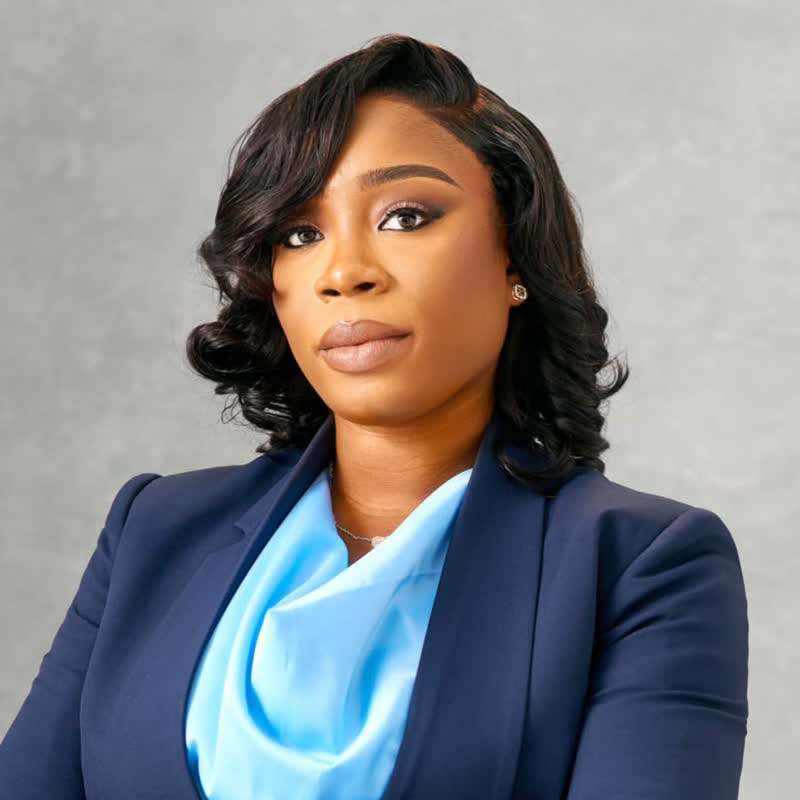
Dr. Jessica Oreoluwa Oga

Adedamola Dedeke